Madmaheshwar Travel Guide
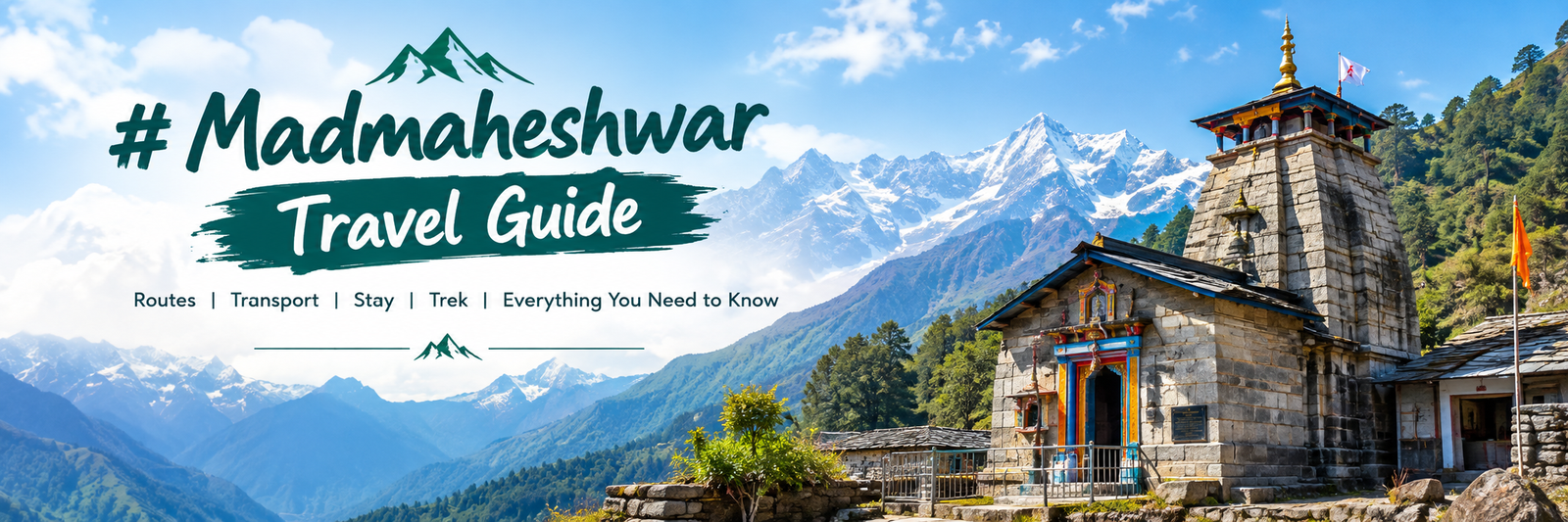
Madmaheshwar, also spelled Madhyamaheshwar, is the second shrine of
the Panch Kedar and one of the quietest pilgrim treks in Uttarakhand. Set at roughly 3,289 m in the Garhwal
Himalaya of Rudraprayag district, the temple cannot be reached by road. That is part of its character: you
walk through terraced villages, oak and rhododendron forest and open meadows, with the Chaukhamba massif
ahead of you on the final stretch.
If you would rather have the trip organised end to end, the Madmaheshwar Tour Package from
Delhi combines transport, stay and trek coordination. If you prefer to plan on your own, this guide
covers everything you need.
Every journey to the temple runs through Ransi Village, the last point where a vehicle can go. From there the route follows Ransi → Gaundhar → Bantoli → Khatara → Nanu → Madmaheshwar Temple, a walk of approximately 16–18 km one way. Published distances vary because older descriptions start the trek from Uniana and different maps measure the trail differently, so plan around the sequence of villages, the daylight you have and your own pace rather than a single number.
The sections below follow the order in which you will actually need the information: significance, how to reach, the trek route, best time, a sample itinerary, stay and food, budget, fitness, packing, safety and nearby places.
Quick answer: Drive to Ransi Village via Rishikesh, Rudraprayag and Ukhimath, then trek roughly 16–18 km one way to the temple. The shrine is open from about May to November, and the most reliable windows are late May to June and September to October. Plan 3 to 4 days from Delhi, carry warm layers and rain protection, and treat July and August as the riskiest months because of landslides and slippery stone steps.
Madmaheshwar at a Glance
| Detail | Information |
|---|---|
| Location | Rudraprayag district, Garhwal Himalaya, Uttarakhand |
| Altitude | Approximately 3,497 m (11,473 ft) |
| Significance | Second of the Panch Kedar; Lord Shiva worshipped in his navel (madhya) form |
| Trek Starts At | Ransi Village, the last motorable point (around 1,950 m) |
| Trek Distance | Approximately 16–18 km one way |
| Route | Ransi → Gaundhar → Bantoli → Khatara → Nanu → Madmaheshwar |
| Difficulty | Moderate to challenging |
| Temple Season | Roughly May to November; winter worship moves to Omkareshwar Temple Ukhimath |
| Best Time | Late May to June and September to October |
| Ideal Duration | 3 to 4 days from Delhi; add one day for Budha Madmaheshwar |
| Nearest Railhead / Airport | Haridwar or Rishikesh station; Jolly Grant Airport, Dehradun |
About Madmaheshwar: Why It Matters
According to the Mahabharata tradition, the Pandavas went looking for Lord Shiva after the Kurukshetra war to seek forgiveness. Shiva avoided them by taking the form of a bull and hiding in the Garhwal Himalaya. When the Pandavas finally recognised him, the bull sank into the ground, and its body parts reappeared at five different places. At Madmaheshwar it is the navel, or middle portion, that is worshipped, and the name Madhyamaheshwar comes from that idea.
The temple is a small stone shrine in an open Himalayan setting, with the peaks of Chaukhamba, Neelkanth and the Kedarnath range around it. Its quiet is the main reason pilgrims and trekkers value it over busier shrines. Because of the winter snow, the deity is carried down in a ceremonial palanquin every year to Omkareshwar Temple in Ukhimath, which serves as the winter seat, and returns in a procession when the shrine reopens in May.
Where Madmaheshwar Fits in the Panch Kedar Circuit
| Kedar | Part of Shiva Worshipped | District |
|---|---|---|
| Kedarnath | Hump | Rudraprayag |
| Madmaheshwar | Navel | Rudraprayag |
| Tungnath | Arms | Rudraprayag |
| Rudranath | Face | Chamoli |
| Kalpeshwar | Matted hair | Chamoli |
How to Reach Madmaheshwar
There is no road to the temple itself. Every route ends at Ransi Village, so the real question is how to get to Ukhimath and then Ransi. From Delhi, the usual road sequence is shown below.
Delhi → Haridwar → Rishikesh → Devprayag → Rudraprayag → Ukhimath → Ransi → (on foot) Madmaheshwar Temple
The drive from Delhi to Ransi is roughly 470–500 km and usually takes 13 to 15 hours with stops, which is why most travellers either take an overnight journey or break it at Rishikesh or Rudraprayag.
| Mode | Nearest Point | Onward Journey |
|---|---|---|
| By Air | Jolly Grant Airport, Dehradun | Taxi via Rishikesh and Rudraprayag to Ukhimath or Ransi; allow most of a day. |
| By Train | Haridwar Junction or Rishikesh station | Bus or taxi towards Rudraprayag and Ukhimath. Haridwar has the better train connectivity. |
| By Road | Ukhimath | Buses run from Delhi, Haridwar, Rishikesh and Dehradun to Ukhimath. From there take a taxi or shared jeep to Ransi. |
Step-by-Step Route from Delhi
- Delhi to Haridwar or Rishikesh, about 5 to 7 hours depending on traffic.
- Rishikesh to Rudraprayag along the Ganga and Alaknanda valleys via Devprayag and Srinagar (Garhwal), about 5 hours. The Devprayag confluence is a good tea stop.
- Rudraprayag to Ukhimath, about 1.5 to 2 hours. Ukhimath is the last large town with markets, ATMs and a range of hotels.
- Ukhimath to Ransi, a winding drive of about 1.5 to 2 hours. Vehicles stop at Ransi and the trail begins from there.
Timings are approximate and change with traffic, road works and weather. Avoid driving these mountain roads at night, and check the current condition of the Ukhimath–Ransi road before you leave, especially during and after the monsoon.
The Trek Route: Ransi to Madmaheshwar Temple
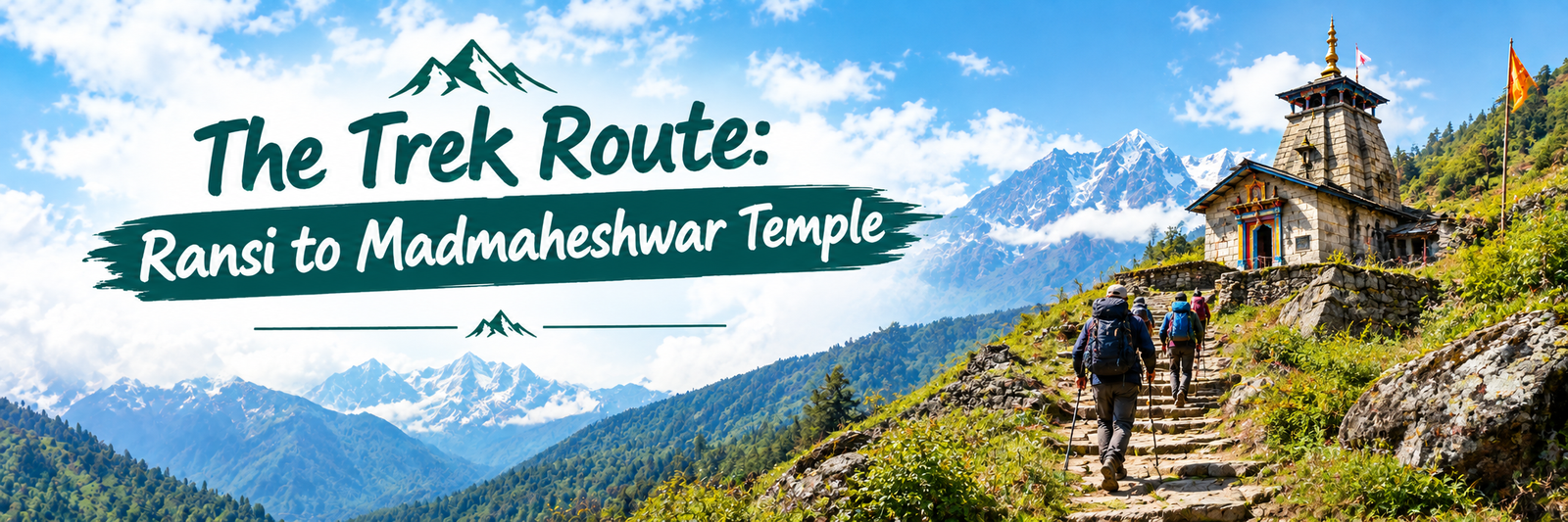
The trail is a stone-paved village path that becomes steeper as you gain height. In broad terms, the first 6 to 7 km from Ransi lose height towards Gaundhar, and most of the remaining distance is a sustained climb. Distances between individual stops are approximate, so use them only to judge your progress.
| Stage | What to Expect |
|---|---|
| Ransi → Gaundar | A gentle to moderate descent above the river valley. It is easy on the lungs but hard on the knees, so trekking poles help. Gaundar is the first proper halt for tea and meals. |
| Gaundar → Bantoli | A short stretch after Gaundar. Lodges at Bantoli serve ready meals and it is the last comfortable stop before the serious climb. |
| Bantoli → Khatara | The climb begins. Stone steps wind through forest and become slippery in rain. |
| Khatara → Nanu | The steepest, most tiring part of the day. Small huts offer tea and basic food, though cooking to order can take time. |
| Nanu → Madmaheshwar | The gradient eases as the forest opens into meadows. The temple and the peaks behind it come into view. |
Meals at established lodges in Gaundhar and Bantoli are usually ready sooner, while huts higher up may need an hour or more if they have to cook for you. Plan your lunch stop accordingly, and carry dry snacks and water for the gaps between villages. If you have a spare half-day, Budha Madmaheshwar lies about 2 km above the temple and is known for wide views of the Chaukhamba peaks.
Best Time to Visit Madmaheshwar
The temple opens for roughly six months a year, from May to November. Within that window, the season you choose changes the trail, the crowds and the risk level.
Late May to June
The shrine has just reopened, days are pleasant and the trail is green. Nights at the temple are still cold, so carry proper layers. A good choice for first-timers and families.
July to August
Peak monsoon. The scenery is lush and crowds are thin, but landslides on the Ukhimath–Ransi road and slippery steps make it the riskiest window. Not recommended for beginners or seniors.
September to October
Post-monsoon skies are clearer and the peaks show well, which makes this the favourite season for photographers. It is also busier, so book stays early.
November Onwards
The temple closes as snow settles in and mountain facilities shut down. Worship continues at Omkareshwar Temple in Ukhimath until the next season.
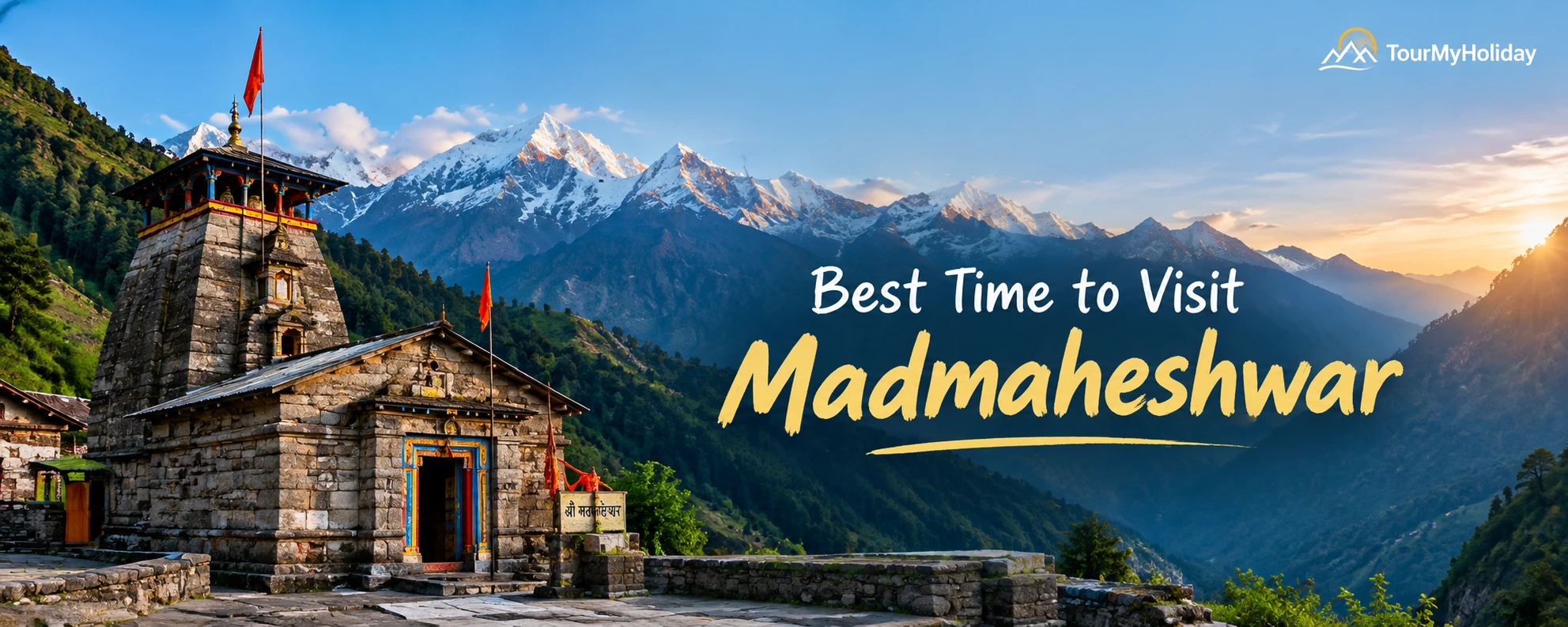
2026 season: The temple reopened on 21 May 2026. The closing date is fixed by the temple committee and is generally in November, so confirm it before planning a late-season trip.
Sample Itinerary from Delhi: 2 Nights / 3 Days Plus Overnight Travel
This is a compact Delhi-origin plan. Mountain roads can delay arrival, so treat the timings as a guide and confirm pickup, halts and meals with your operator or host.
Day 0: Delhi Departure
Leave Delhi in the evening for an overnight road journey towards Uttarakhand. Confirm the pickup point, reporting time, luggage limit and a coordinator contact before you leave.
Day 1: Reach Ukhimath and Ransi
Continue through Devprayag and Rudraprayag to Ukhimath and on to Ransi. Check in, sort your daypack, keep only what you need for the trail and rest early for the long walk ahead.
Day 2: Ransi to Madmaheshwar Temple
Start early after breakfast. Walk through Gaundar, Bantoli, Khatara and Nanu, pace yourself on the climb after Bantoli, and aim to reach the temple well before dark. Check in to your stay and join darshan and evening prayers as the schedule permits.
Day 3: Darshan, Optional Budha Madmaheshwar and Descent
Complete morning darshan. If weather and energy allow, add the extra walk to Budha Madmaheshwar. Then descend the same way to Ransi and continue by road. Descents are hard on knees and ankles, so keep a steady pace.
Want a less rushed trip? Add one buffer night at Gaundhar, Bantoli or Ukhimath. It turns a hurried descent into a comfortable one and leaves room for weather delays.
Where to Stay and What to Eat
| Place | Stay Type | Good to Know |
|---|---|---|
| Ukhimath | Hotels and guesthouses | Most choice, markets and cash access. A good base before the last drive. |
| Ransi | Homestays and small lodges | Convenient for an early start on the trail. |
| Gaundhar / Bantoli | Village lodges | Useful for splitting the trek or refuelling on the way. |
| Nanu / Near the Temple | Basic rooms and rest houses | Limited beds and simple facilities. Book ahead in May–June and September–October. |
Meals on the route are simple and mostly vegetarian: dal, rice, roti and seasonal vegetables, with tea and quick snacks at the huts. If your hosts offer local Garhwali dishes such as mandua roti or jhangora kheer, they are worth trying. Facilities are basic, so expect shared rooms, thick blankets, limited hot water and unpredictable electricity.
Madmaheshwar Trip Cost and Budget
If you travel independently, your spending falls into a few clear buckets. Costs vary by season, distance from Delhi and how much comfort you want.
| Expense | What Drives the Cost |
|---|---|
| Transport | Bus versus private taxi, and how many people share the vehicle. |
| Stay | Hotel in Ukhimath versus homestay or rest house on the trail. |
| Meals | Prices rise with altitude because supplies are carried up on foot. |
| Porter or Pony | Optional. Agree the rate before you start walking. |
| Extras | Snacks, offerings, tips and any buffer night. |
If you prefer a ready package, indicative prices for a 2 Nights / 3 Days Delhi-origin plan are approximately as follows. Treat them as a starting point rather than a fixed tariff.
Quad Sharing
Indicative starting price: ₹6,000 per person.
Triple Sharing
Indicative starting price: ₹6,500 per person.
Double Sharing
Indicative starting price: ₹7,000 per person.
Before paying, ask for the inclusions in writing: pickup and drop points, meals, stays, taxes, trek support, porter or pony charges and the cancellation policy. Two packages are only comparable when they include the same things.
How Difficult Is the Trek? Fitness and Altitude
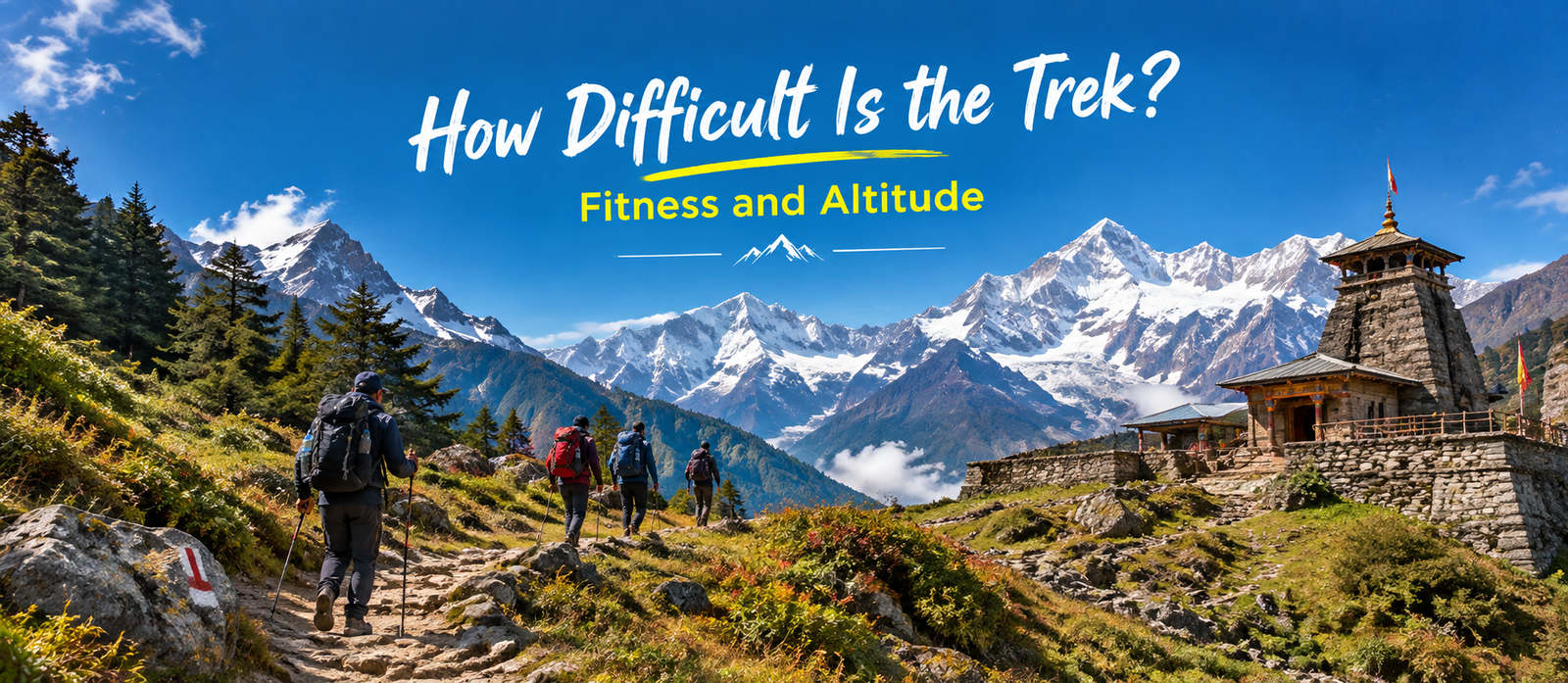
The trek is rated moderate to challenging. It is not a technical climb, but the distance, the sustained ascent after Bantoli and the height of the temple make the main walking day tiring for anyone who has not prepared. At around 3,497 m, altitude is a factor, although most people who climb steadily and stay hydrated manage well.
- ✓Train for 3 to 4 weeks with brisk walking, stair climbing or jogging, plus squats and lunges for the legs.
- ✓Practise with a loaded daypack on a slope so your shoulders and knees are ready.
- ✓Start slowly from Ransi, take short breaks and drink water regularly rather than waiting until you are thirsty.
- ✓Use trekking poles, particularly on the opening descent and the return.
- ✓Do not ignore headache, nausea or unusual breathlessness. Rest, and descend if symptoms get worse.
If you have heart, lung, blood pressure or knee problems, speak to a doctor before booking. Families and senior travellers can also arrange a pony for parts of the route and should add extra days rather than compress the schedule.
What to Pack for Madmaheshwar
Pack light and pack for changing weather. If a porter or pony carries your main bag, keep only essentials in a small daypack.
Clothing
- 1. Quick-dry t-shirts and trekking trousers
- 2. A fleece or light down jacket for cold nights
- 3. Waterproof jacket or poncho
- 4. Warm cap, gloves and spare socks
Footwear and Gear
- 1. Broken-in trekking shoes with good grip
- 2. Trekking poles
- 3. Rain cover for your bag
- 4. Headlamp or torch with spare batteries
Health and Safety
- 1. Personal medicines and a basic first-aid kit
- 2. ORS or electrolytes, and blister plasters
- 3. Sunscreen, sunglasses and lip balm
- 4. Knee support if you have sensitive knees
Documents and Essentials
- 1. Photo ID and printed copies
- 2. Cash in small notes for the upper stretches
- 3. Power bank and offline maps
- 4. Reusable water bottle and a bag for your waste
Permits, Network, Cash and Safety
- ✓Entry rules: the trail lies inside the Kedarnath Wildlife Sanctuary. Registration and entry requirements can change, so confirm them with your operator or the local forest office and carry a photo ID.
- ✓Mobile network: coverage is patchy beyond the lower villages. Download offline maps and share your plan with someone at home.
- ✓Cash: withdraw money in Ukhimath or a larger town before you go. Digital payments are unreliable higher up.
- ✓Charging: electricity is limited, so carry a power bank and conserve phone battery.
- ✓Weather: mornings are usually clearer and afternoons more likely to turn cloudy or wet. Start early and turn back if conditions worsen.
- ✓Medical help: only basic aid is available on the route. Larger facilities are in towns such as Ukhimath and Rudraprayag, so carry your own first-aid supplies.
- ✓Porters and ponies: these can usually be arranged at Ransi in season. Agree the rate and the drop point before you start.
Temple Etiquette and Responsible Travel
- •Dress modestly at the shrine and remove footwear before entering.
- •Follow local instructions on photography and queues during darshan.
- •Carry all your waste back down and avoid single-use plastic on the trail.
- •Stay on the marked path, keep noise low and do not disturb wildlife.
- •Treat homestay hosts and porters respectfully. Local families depend on a short season.
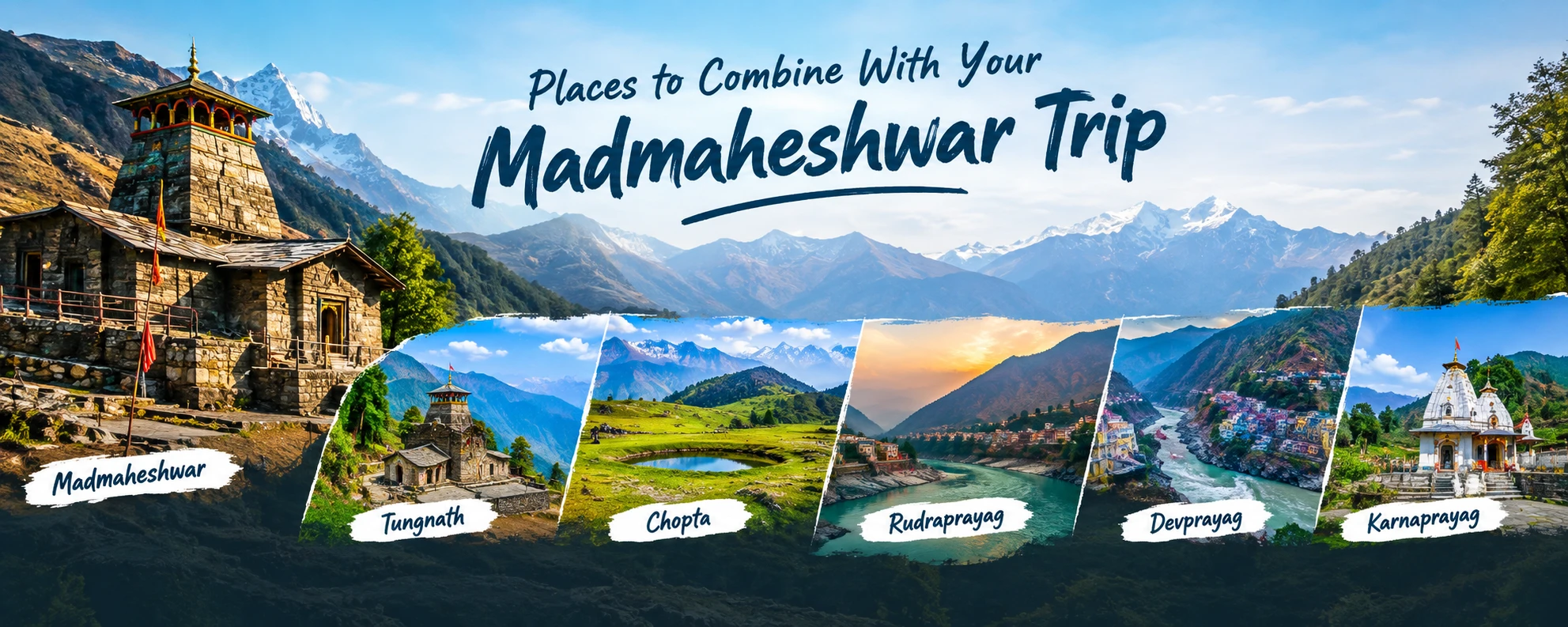
Places to Combine With Your Madmaheshwar Trip
Ukhimath and Omkareshwar Temple
The winter seat of Madmaheshwar and of Kedarnath. Worth a stop on the way in or out.
Budha Madmaheshwar
An extra walk of about 2 km above the temple, known for open views of the surrounding peaks.
Chopta and Tungnath
Another Panch Kedar shrine, reached by a much shorter trek from Chopta.
Deoria Tal
A calm mountain lake with a short walk from the road head, suited to a relaxed extra day.
Guptkashi and Kalimath
Guptkashi has the Vishwanath Temple, and Kalimath is a respected Shakti shrine in the region.
Kedarnath
The first Kedar of the circuit, reached from Sonprayag. Pilgrims often pair it with Madmaheshwar.
Frequently Asked Questions
Where does the Madmaheshwar trek start?+
The trek starts at Ransi Village, the last motorable point. The route then continues through Gaundhar, Bantoli, Khatara and Nanu to the temple.
How long is the Madmaheshwar trek?+
Most guides quote approximately 16–18 km one way from Ransi. Figures differ by source because some older routes begin at Uniana and maps measure the trail differently.
What is the best time to visit Madmaheshwar?+
Late May to June and September to October are the most reliable windows. July and August carry monsoon landslide risk, and the temple closes for winter in November.
Is the trek suitable for beginners?+
It is moderate to challenging. Beginners with a few weeks of walking and stair practice can manage it, especially with a porter or pony for luggage, but the climb after Bantoli is demanding.
Can I complete Madmaheshwar in 3 days from Delhi?+
A compact plan with an overnight drive is possible, but it is tight. Adding one buffer day makes the trip safer and leaves time for Budha Madmaheshwar.
How much does a Madmaheshwar trip cost?+
An indicative Delhi-origin package may start around ₹6,000 per person on quad sharing, with triple and double sharing costing more. Final cost depends on dates, transport, stay and inclusions.
Can I visit Madmaheshwar in winter?+
No. The temple closes in November because of snow, and worship shifts to Omkareshwar Temple in Ukhimath until the shrine reopens in May.